
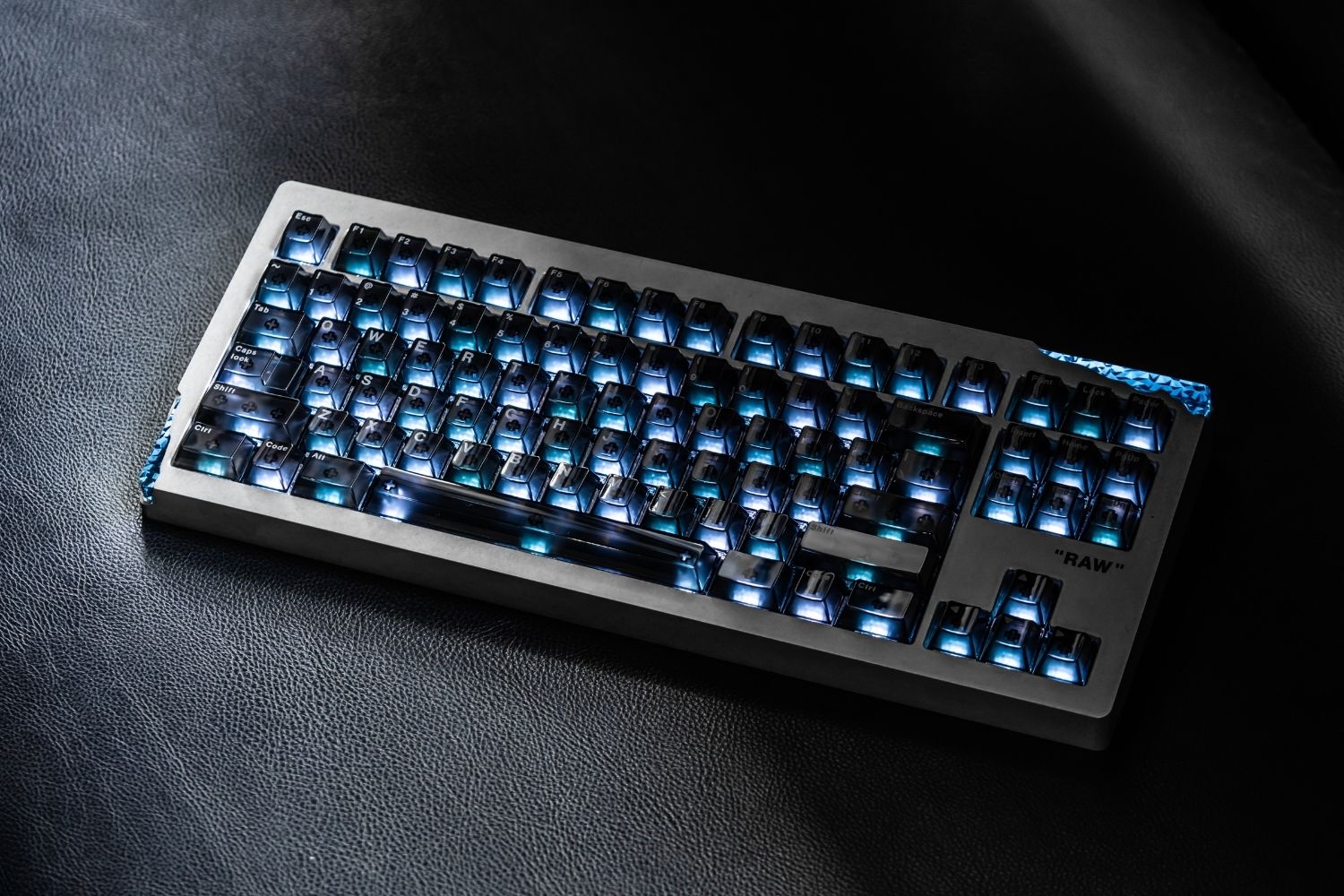
A hot-swappable keyboard replaces soldered switches with spring-loaded sockets, usually made by Kailh or Gateron, so you can pull a switch and drop in a new one in seconds — no soldering iron needed. That means the typing feel is never locked in at the factory. Not every implementation is equal, though: socket type, mounting style, and build quality all decide whether a switch swap actually changes how the board feels. Here's how the best hot-swappable keyboards of 2026 compare.
How We Chose These Picks
Every keyboard below was cross-checked against multiple independent reviews rather than a single source. We prioritized:
-
Socket quality and compatibility — accept both 3-pin and 5-pin MX switches, over proprietary or Outemu-style sockets
-
Build quality and mounting style — gasket mount, leaf spring, or tray mount, and how each affects sound and feel
-
Connectivity — wired, 2.4GHz, Bluetooth, or tri-mode
-
Value relative to price
-
Track record — models that show up repeatedly across independent rankings, not one-off products
Top Hot-Swappable Keyboards of 2026
|
Keyboard |
Layout |
Socket Type |
Connectivity |
Price |
Best For |
|
Glorious GMMK 3 |
Multiple sizes |
Kailh, MX + optional HE |
Wired / wireless |
~$80–$260 |
Best overall |
|
Angry Miao AM RGB 65 |
65% |
Hot-swap MX, 5-pin |
Tri-mode wireless |
~$449–$559 |
Best premium design |
|
Keychron Q1 Pro |
75% |
Kailh, 3-pin + 5-pin MX |
Bluetooth 5.1 + USB-C |
~$144-216 |
Best enthusiast gasket mount |
|
Angry Miao AM Relic 80 |
TKL (80%) |
Hot-swap MX |
Tri-mode wireless |
~$660 |
Best premium TKL |
|
Asus ROG Strix Scope II 96 Wireless |
96% |
Hot-swap, 3-pin + 5-pin |
Tri-mode wireless |
~$200 |
Best for gaming |
|
Keychron V6 Max |
Full-size (100%) |
Kailh, 3-pin + 5-pin MX |
2.4GHz + Bluetooth 5.1 |
~$110 |
Best full-size |
|
NuPhy Halo75 V2 |
75% |
Standard MX hot-swap |
Tri-mode wireless |
~$129–$149 |
Best 75% wireless |
|
Lemokey P1 Pro |
75% |
Kailh MX |
Tri-mode wireless |
~$130 |
Best value |
|
AULA F75 Pro |
75% |
Hot-swap, 3-pin + 5-pin |
Tri-mode wireless |
~$84 |
Best budget wireless |
|
Cherry XTRFY MX 8.2 Pro TMR |
TKL |
Magnetic + mechanical |
Wireless |
~$250 |
Best magnetic hybrid |
In-Depth Review of the Top Picks
1. Glorious GMMK 3

Specs: Modular design across multiple sizes · Kailh-style MX hot-swap, with an HE variant for magnetic switches · Gasket-mounted
Best for: Buyers who want one platform that scales from budget to premium
The GMMK 3 line earns its spot through sheer flexibility. Beyond standard MX hot-swap, the GMMK 3 HE variant also accepts Hall Effect switches on the same chassis, letting you move between mechanical and magnetic feel without buying a second keyboard. That kind of cross-compatibility is rare, and it's a big part of why the GMMK 3 currently tops most independent rankings.
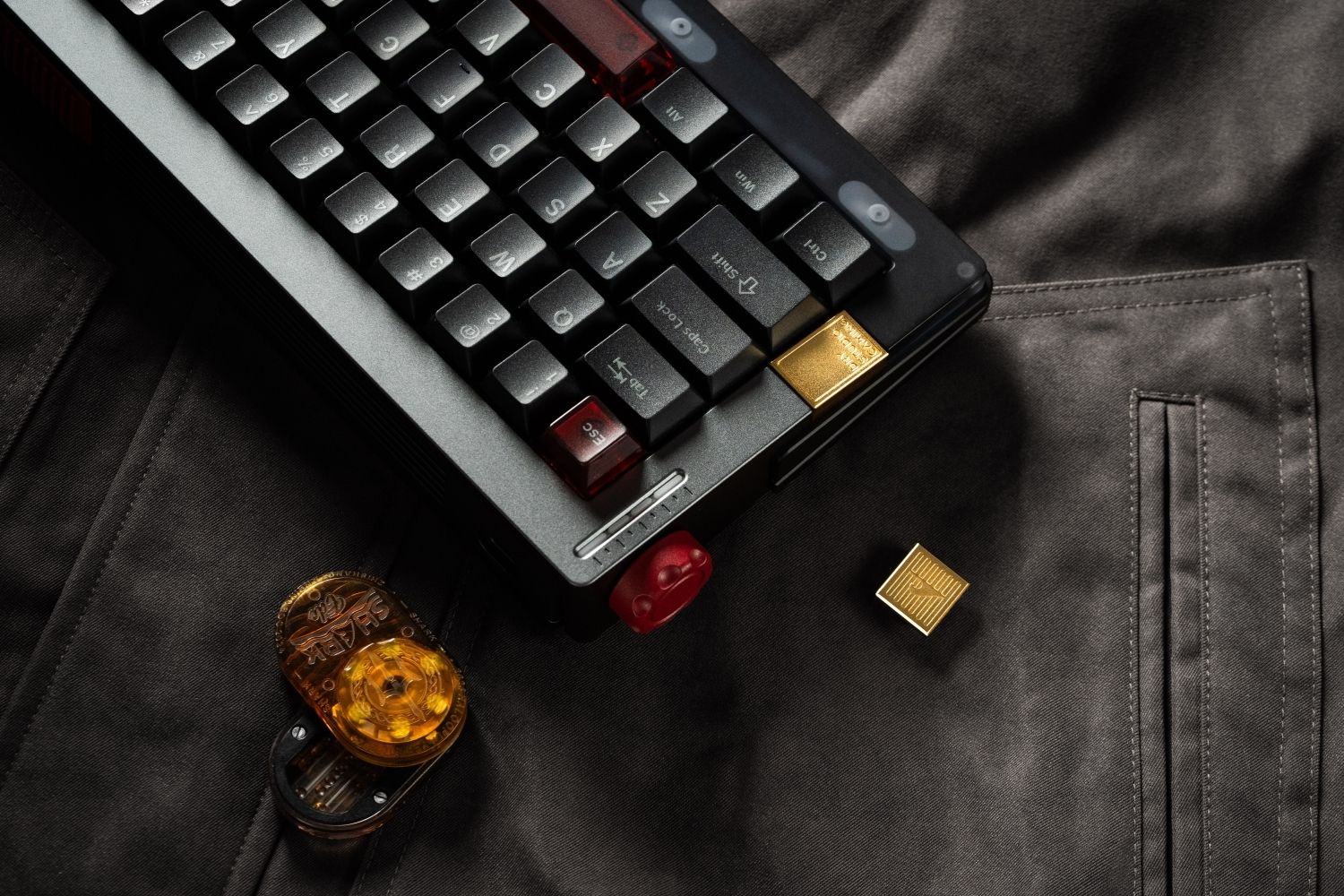
2. Angry Miao AM RGB 65

Specs: 65% layout, 68 keys, hot-swap PCB, accepts any 5-pin MX switch, Tri-mode (2.4GHz / Bluetooth 5.1 / wired), 10,000mAh battery, features a unique, customizable LED panel.
Best for: Buyers looking for a motherboard with a collector's edition design, LED panel, and hot-swappable support.
The AM RGB 65 pairs a hot-swap PCB with a programmable dot-matrix LED panel and an adjustable leaf-spring mount that lets you tune stiffness across three gear levels without changing the internal structure. Reviewers have consistently pointed to its pre-lubed Icy Silver Pro switches and sound-tuned foam stack as some of the best stock typing feel Angry Miao has shipped.
3. Keychron Q1 Pro

Specs: 75% layout · Kailh-style hot-swap, 3-pin and 5-pin universal · Double-gasket mount · Bluetooth 5.1 + USB-C
Best for: Enthusiasts who want a wireless upgrade to the original gasket-mount Q1
The Q1 Pro's full CNC aluminum case and double-gasket mounting deliver a typing feel that usually costs twice as much to replicate in a custom build. South-facing LEDs mean full compatibility with Cherry-profile keycap sets, and QMK/VIA support means the firmware is as customizable as the switches.
4. Angry Miao AM Relic 80

Specs: TKL (80%) layout · Hot-swap PCB · Tri-mode (2.4GHz / Bluetooth / USB-C), dual 5,000mAh batteries, Qi wireless charging
Best for: Gamers and typists who want a standard TKL with no experimental layout
The AM Relic 80 pairs its hot-swap sockets with a three-stage adjustable leaf-spring mount that uses ten perimeter springs instead of a gasket, plus two swappable spring sets — steel and copper — for two distinct flex profiles out of the box. Seven layers of internal foam and an FR4 plate give it a deep, marbly sound signature, and the exposed CNC machining and stonewashed finish set it apart visually from the sea of anodized aluminum boards in this category.
5. Asus ROG Strix Scope II 96 Wireless

Specs: 96% layout · Hot-swap PCB, 3-pin and 5-pin switches · Tri-mode (2.4GHz / Bluetooth / wired)
Best for: Gamers who want a numpad without giving up low latency
Multiple independent reviewers have singled out the Scope II 96 as one of the strongest wireless gaming keyboards currently available, and the hot-swap PCB is a meaningful upgrade over the non-swappable BlackWidow-class competition. Pre-lubed stock switches make it usable out of the box, but the sockets support the full MX switch ecosystem if you want to change the feel later.
6. Keychron V6 Max

Specs: Full-size, 104 keys · Kailh sockets, 3-pin and 5-pin MX · 2.4GHz + Bluetooth 5.1, up to 100 hours battery
Best for: Anyone who needs a numpad and doesn't want to compromise on hot-swap or wireless
The V6 Max is one of the few full-size boards. South-facing LEDs avoid interference with Cherry-profile keycaps, the gasket mount and sound-dampening foam keep typing quiet, and QMK support means the firmware is as flexible as the switches.
7. NuPhy Halo75 V2

Specs: 75% layout · Standard MX hot-swap, 3-pin and 5-pin · Tri-mode wireless
Best for: Buyers who want a premium acoustic experience under $150
Several major reviewers have noted the Halo75 V2 outperforms pricier gasket-mount competitors on sound quality alone, thanks to a six-layer foam dampening stack. Full QMK/VIA support separates it from similarly priced rivals that rely on proprietary software instead.
8. Lemokey P1 Pro

Specs: 75% layout · Kailh MX hot-swap · Tri-mode wireless
Best for: Buyers who want premium features without premium pricing
Lemokey, Keychron's sister brand, built the P1 Pro around the same gasket-mount and hot-swap fundamentals as pricier boards, then priced it to undercut them. Wide availability has made it one of the better value picks currently on the market.
9. AULA F75 Pro

Specs: 75% layout · Hot-swap sockets, 3-pin and 5-pin switches · Tri-mode (Bluetooth 5.0 / 2.4GHz / USB-C)
Best for: Budget buyers who still want wireless and a gasket structure
AULA's F-series keeps showing up across budget roundups for the same reason: a 4000mAh battery, a gasket structure with a silicone pad, and genuine hot-swap sockets at a price that undercuts most wireless competitors by a wide margin.
10. Cherry XTRFY MX 8.2 Pro TMR

Specs: TKL layout · Magnetic TMR switches, hot-swappable and backward-compatible with mechanical switches · Wireless
Best for: Gamers who want Rapid Trigger without giving up hot-swap
Cherry's entry into magnetic switches stands out because it's genuinely hot-swappable in both directions — TMR magnetic switches and standard mechanical switches work in the same sockets. That dual compatibility is still rare in 2026, and it makes the MX 8.2 Pro TMR a meaningful step for anyone who wants adjustable actuation without committing to a magnetic-only board.
Socket Compatibility: What to Check Before You Buy
Not every hot-swap socket accepts the same switches. Kailh and Gateron sockets are the industry standard and support both 3-pin and 5-pin MX-style switches from virtually any brand — Cherry, Gateron, Kailh, Durock, and more all work without modification. Older Outemu copper-sleeve sockets, still found on some sub-$40 boards, only accept switches with thinner pins, which locks you out of most of the switch market.
LED orientation matters just as much as the socket itself. South-facing LEDs are clear of the keycap stem and work with any keycap profile. North-facing LEDs shine brighter through transparent legends but can physically collide with Cherry-profile keycaps on the home row, causing scratchy or inconsistent keystrokes. If you plan on installing a premium keycap set down the line, confirm the board is south-facing first. Angry Miao's own hot-swappable keyboards take all these factors into account, allowing you to hot-swap them directly after purchase.
Conclusion
The right pick depends on what you're optimizing for: the Glorious GMMK 3 for a platform that scales from budget to premium, the Asus ROG Strix Scope II 96 for gaming with a numpad, and the Cherry XTRFY MX 8.2 Pro TMR for adjustable actuation. For buyers who see hot-swap as just the first layer of customization, the Angry Miao AM RGB 65 and AM Relic 80 push further into adjustable mounting and sound tuning than any mainstream option here.
FAQ
What does hot-swappable mean on a keyboard?
It means the PCB uses spring-loaded sockets instead of soldered connections, so switches can be removed and replaced by hand without any soldering equipment.
Can I put any switch in a hot-swap keyboard?
On boards with Kailh or Gateron sockets, yes — virtually any 3-pin or 5-pin MX-style switch will work. Boards with older Outemu sockets are more limited and only accept switches with thinner pins.
Are hot-swappable keyboards good for gaming?
Yes. Being able to switch to a lighter or heavier switch without replacing the whole board is a real advantage, and several current gaming boards now combine hot-swap sockets with magnetic switch support for adjustable actuation.
How many times can you swap switches before the sockets wear out?
Standard Kailh and Gateron sockets are rated for tens of thousands of insertion cycles, which works out to decades of normal use. In practice, incorrect installation — inserting a switch at an angle — causes far more damage than the number of swaps itself.
Share:
Why Is My Keyboard Lagging? Why and How to Fix the Delay